Fintech UI Kit
As the fintech platform grew across multiple products, teams, and markets, the absence of a unified design system began to create friction across both design and development. Data-intensive financial interfaces, evolving regulatory requirements, and localization needs, particularly for Right-To-Left languages, made it increasingly difficult to maintain clarity, usability, and visual consistency. These challenges introduced usability risks in critical financial experiences and slowed down product delivery, highlighting the need for a scalable and well-structured design system.
UI Kit
Apr 1, 2024
Task
My responsibility was to establish and scale a fintech design system that could support complex financial workflows while ensuring consistency, accessibility, and long-term scalability. The goal was to create a shared foundation that balanced business objectives, technical constraints, and user needs, while enabling teams to design and ship high-quality experiences efficiently across web and mobile products.
Action
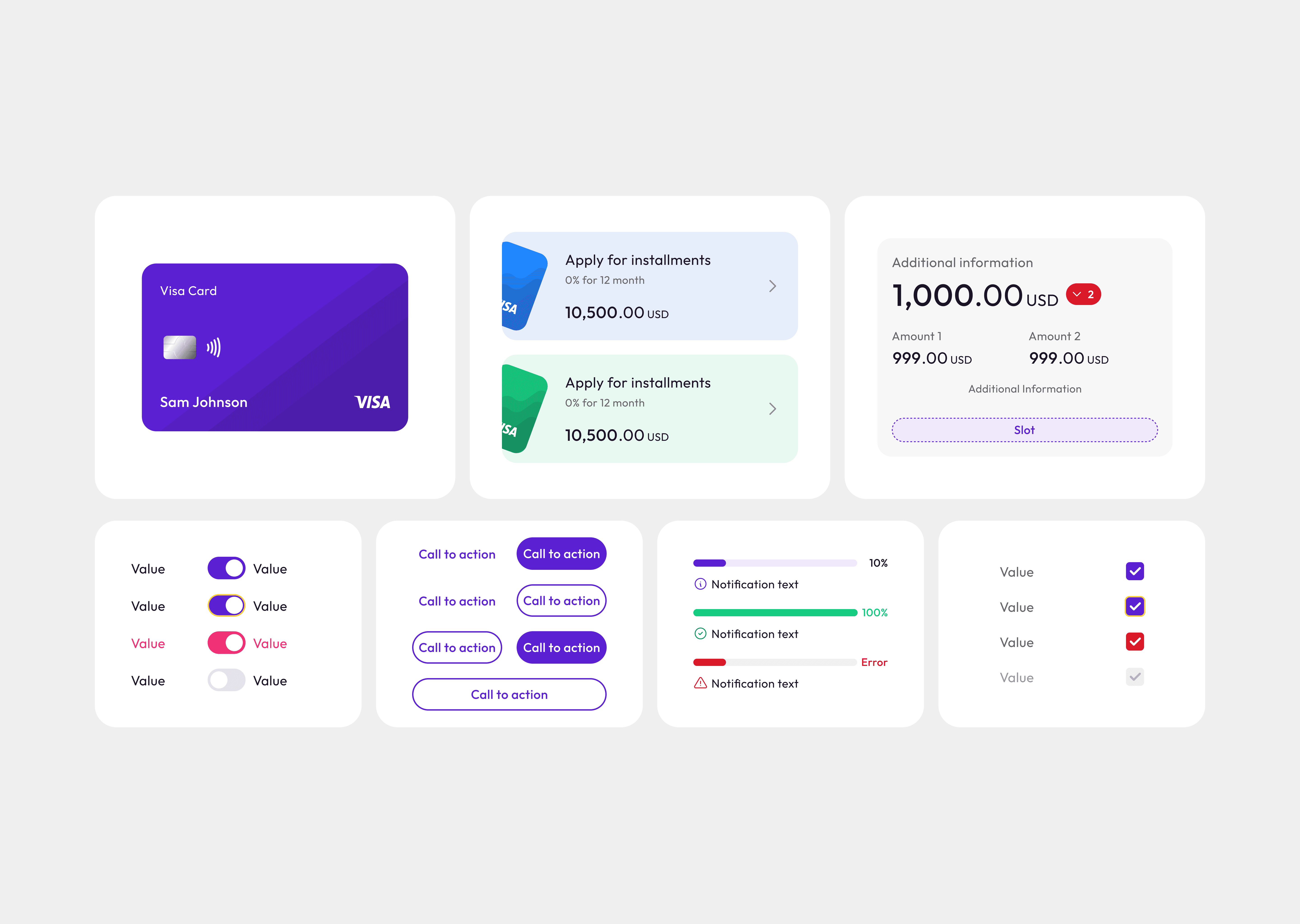
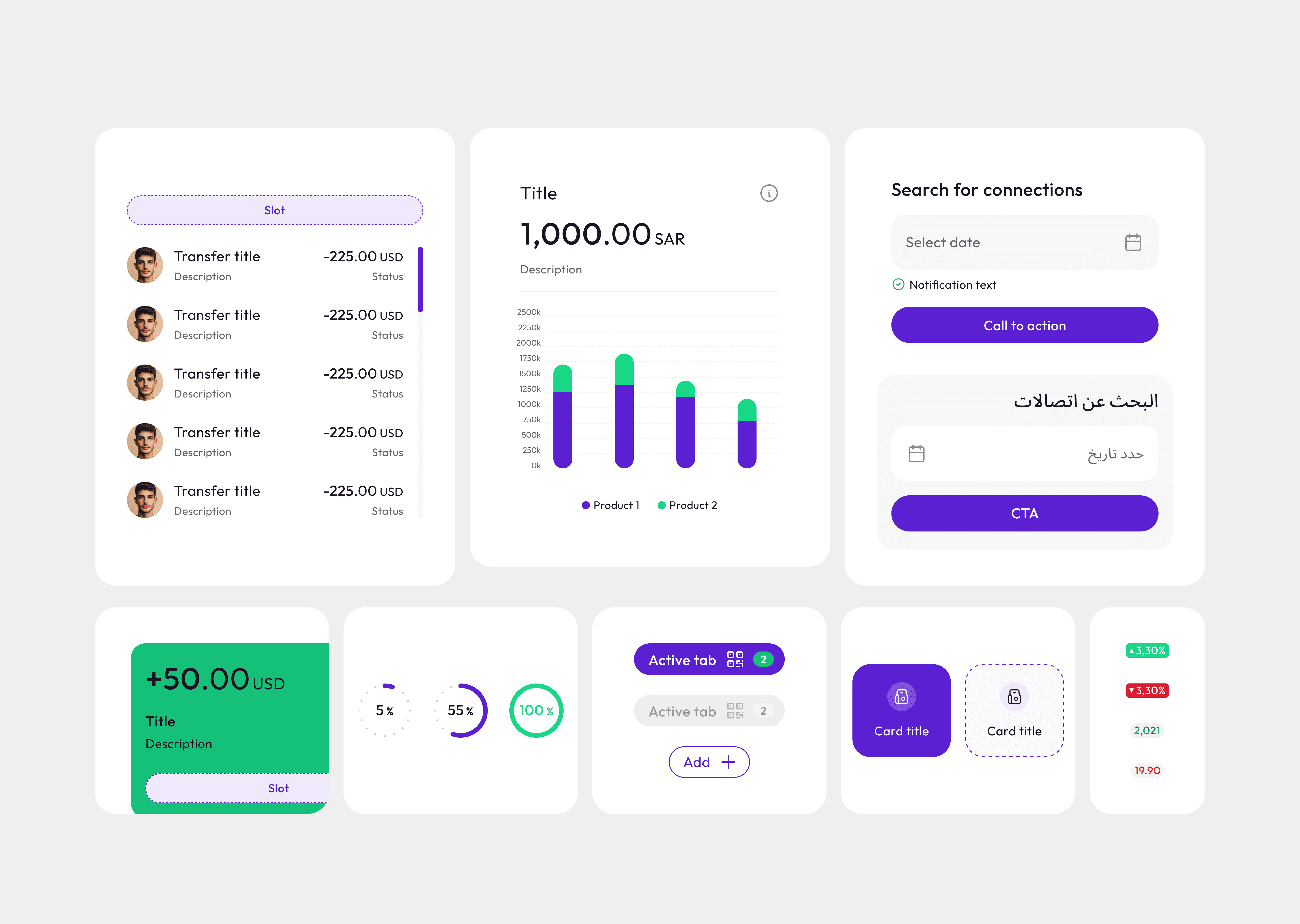
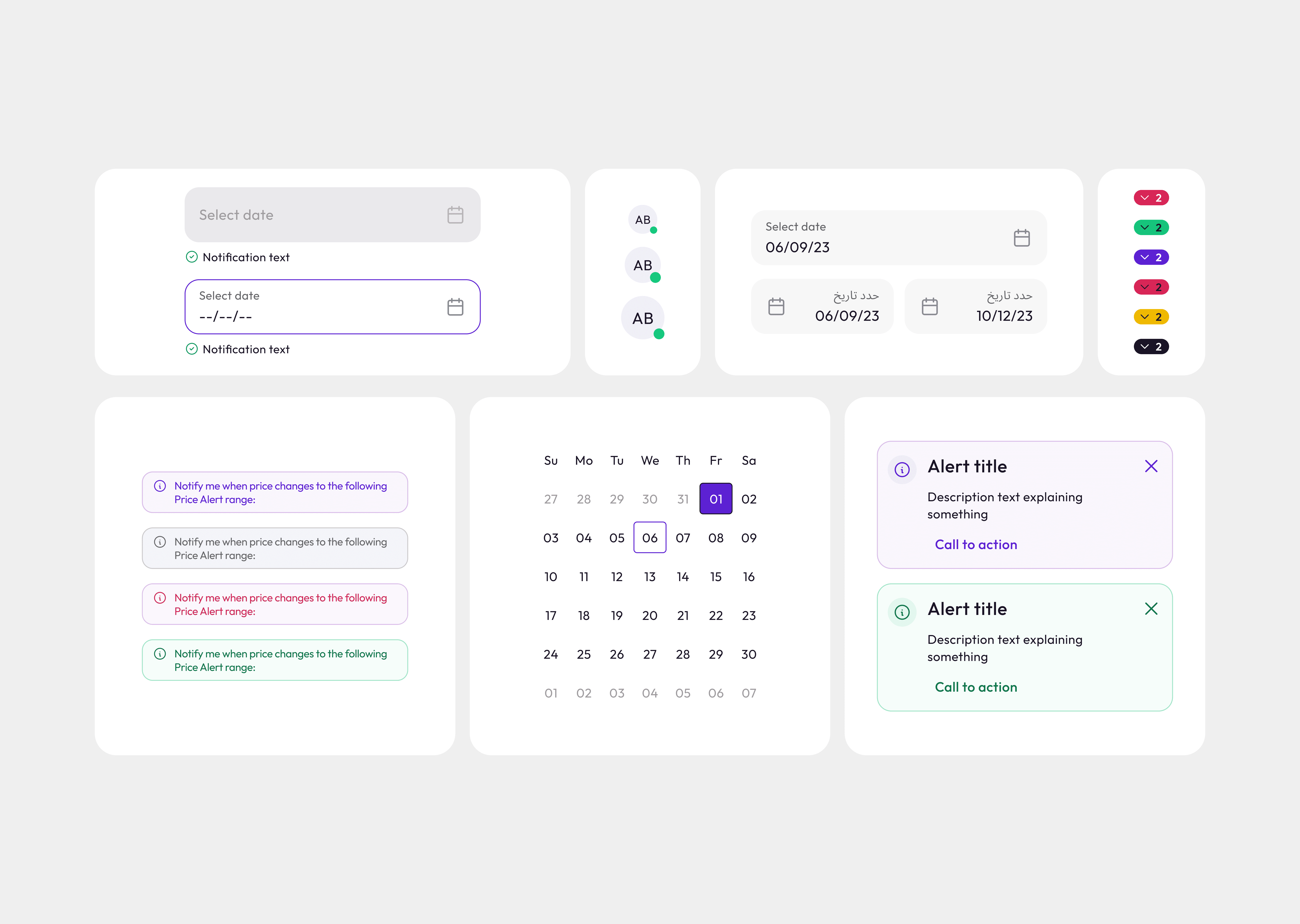
I designed and scaled a comprehensive design system covering reusable components, design tokens, interaction patterns, and documentation to ensure visual and behavioral consistency across products.
To support localization and inclusivity, I designed and standardized Right-To-Left components for Arabic users, carefully balancing usability, cultural considerations, and system scalability. I clearly communicated the rationale behind design decisions to designers, developers, and stakeholders to ensure correct implementation and alignment.
Why
I approached this project with a strong focus on trust, precision, and usability, as fintech products require users to make frequent, high-stakes decisions involving personal or financial data. The design needed to feel reliable and transparent while supporting fast, confident interactions.
I structured the experience around clear information hierarchy and predictable interaction patterns, ensuring users could easily understand balances, transactions, and key actions without ambiguity. This was intentional to reduce cognitive load and minimize the risk of user errors in critical financial flows.
Result
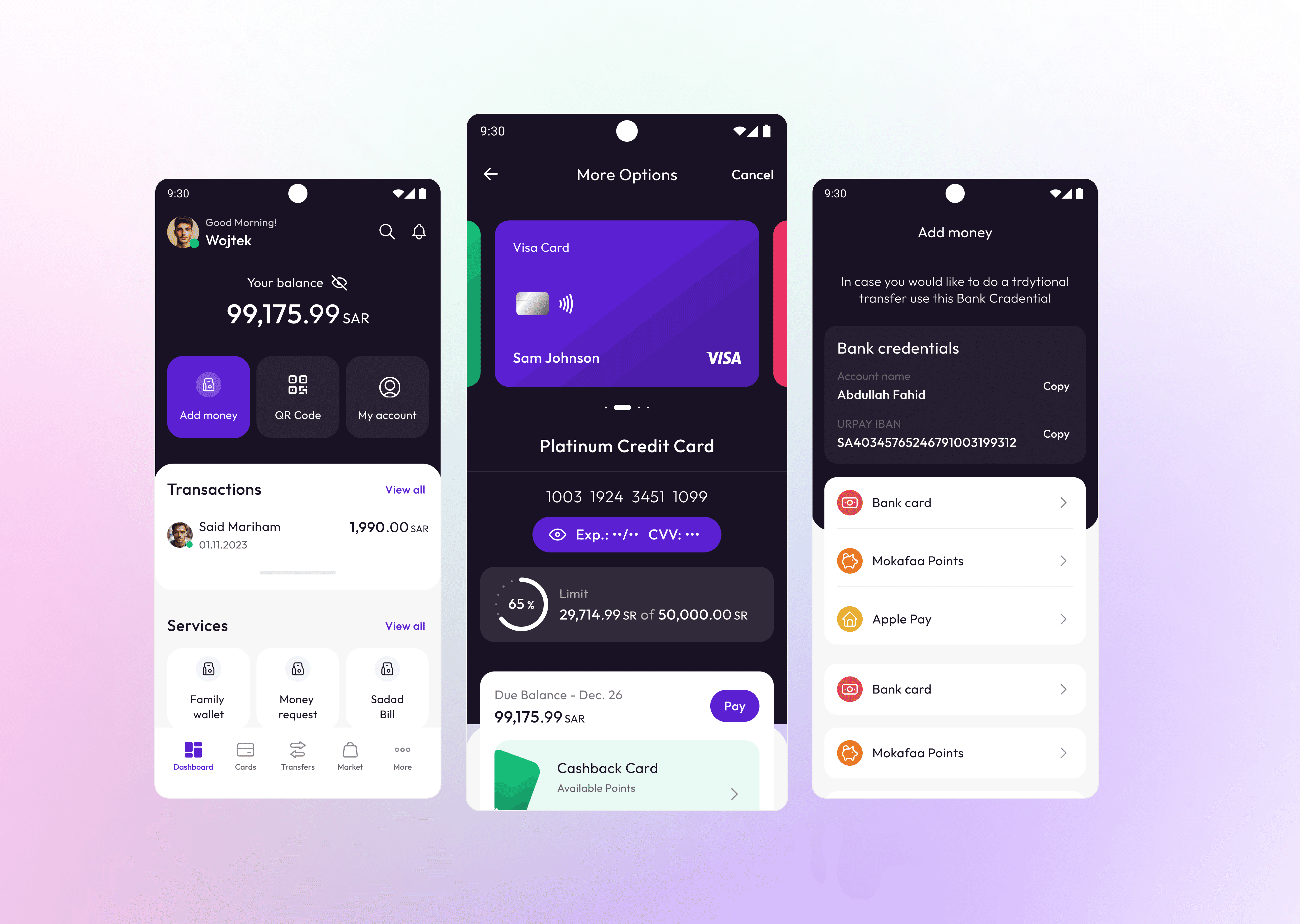
The final design system provided a scalable and production-ready foundation for fintech products across mobile experiences. It strengthened visual and behavioral consistency, improved usability in complex financial interfaces, and accelerated design-to-development workflows. The system also enabled smoother localization support and created a sustainable framework for future product growth.
Key UX Challenges Solved
The platform previously struggled with inconsistent components and unclear interaction patterns across products, which created confusion in critical financial flows. By standardizing components, improving information hierarchy, and clarifying interaction behaviors, the design system reduced cognitive load and supported clearer, more reliable user experiences across data-intensive interfaces.
What I Learned
This project deepened my ability to think systemically within regulated fintech environments. I strengthened my skills in balancing usability, scalability, localization, and technical constraints while designing for long-term product growth. Collaborating closely with cross-functional teams reinforced the importance of clear decision-making, strong documentation, and shared design principles when building systems that must evolve over time.