Task Management Dashboard
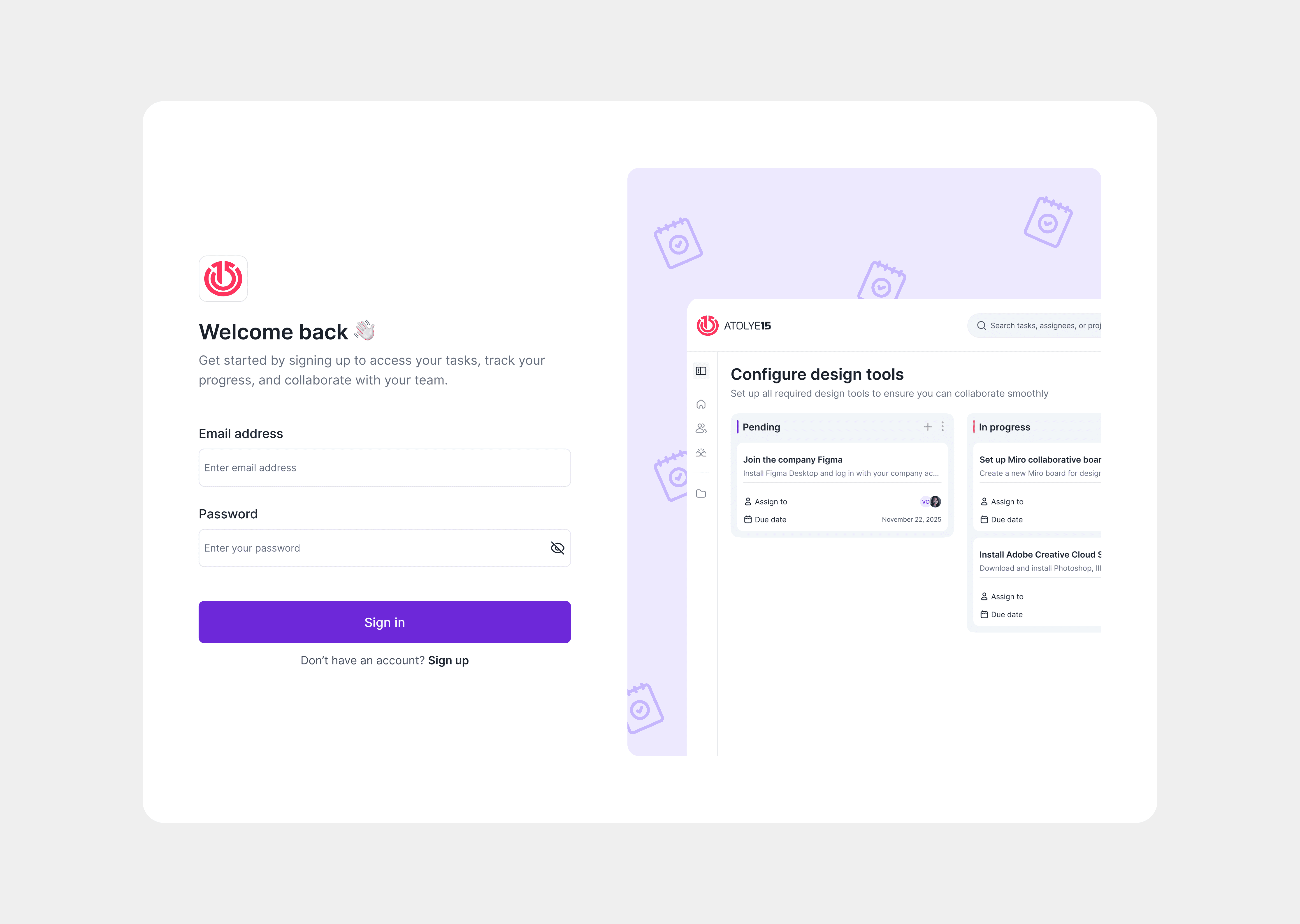
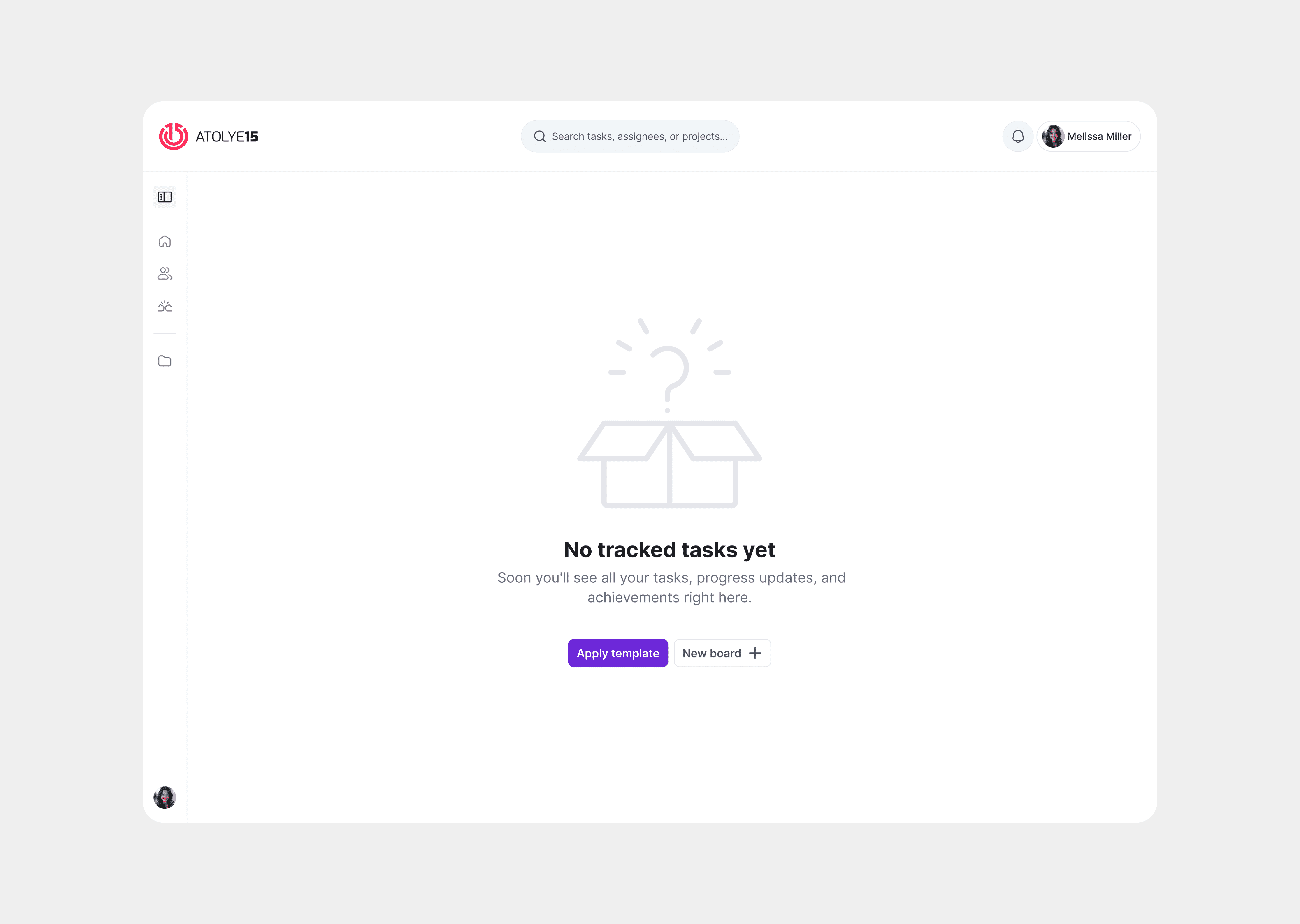
Next Talent was an internal task-management platform built to improve workflow efficiency, task visibility, and team collaboration. Existing processes lacked structure and clarity, making it difficult for teams to track work, manage priorities, and maintain shared visibility across tasks. The goal was to design a clear, scalable internal dashboard that supported daily operations while remaining flexible for future needs.
Dashboard Design
Jun 14, 2025
Task
During my time at Atölye15, I led the end-to-end design process to:
Understand internal workflows, pain points, and constraints
Define a clear product structure and core feature set
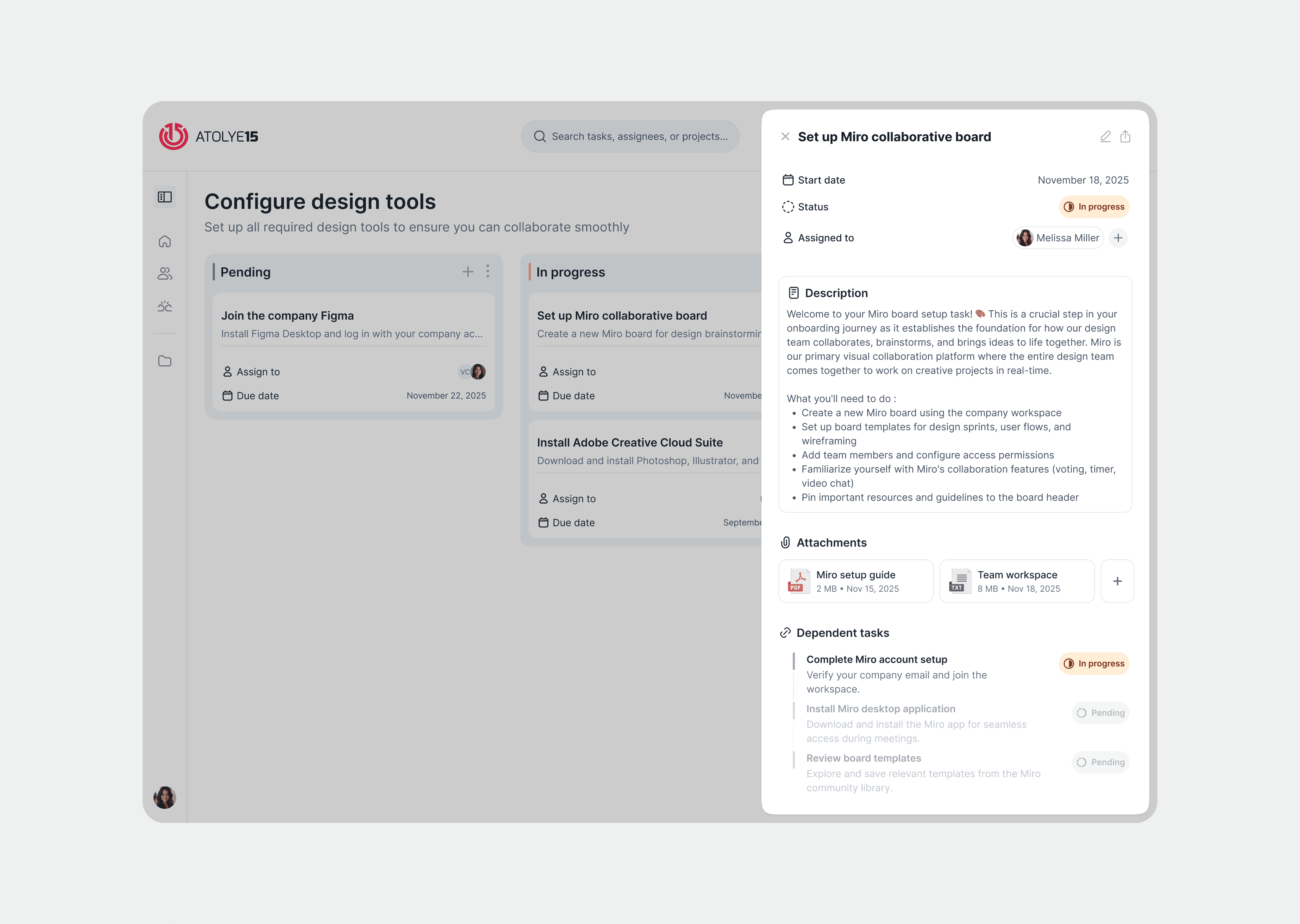
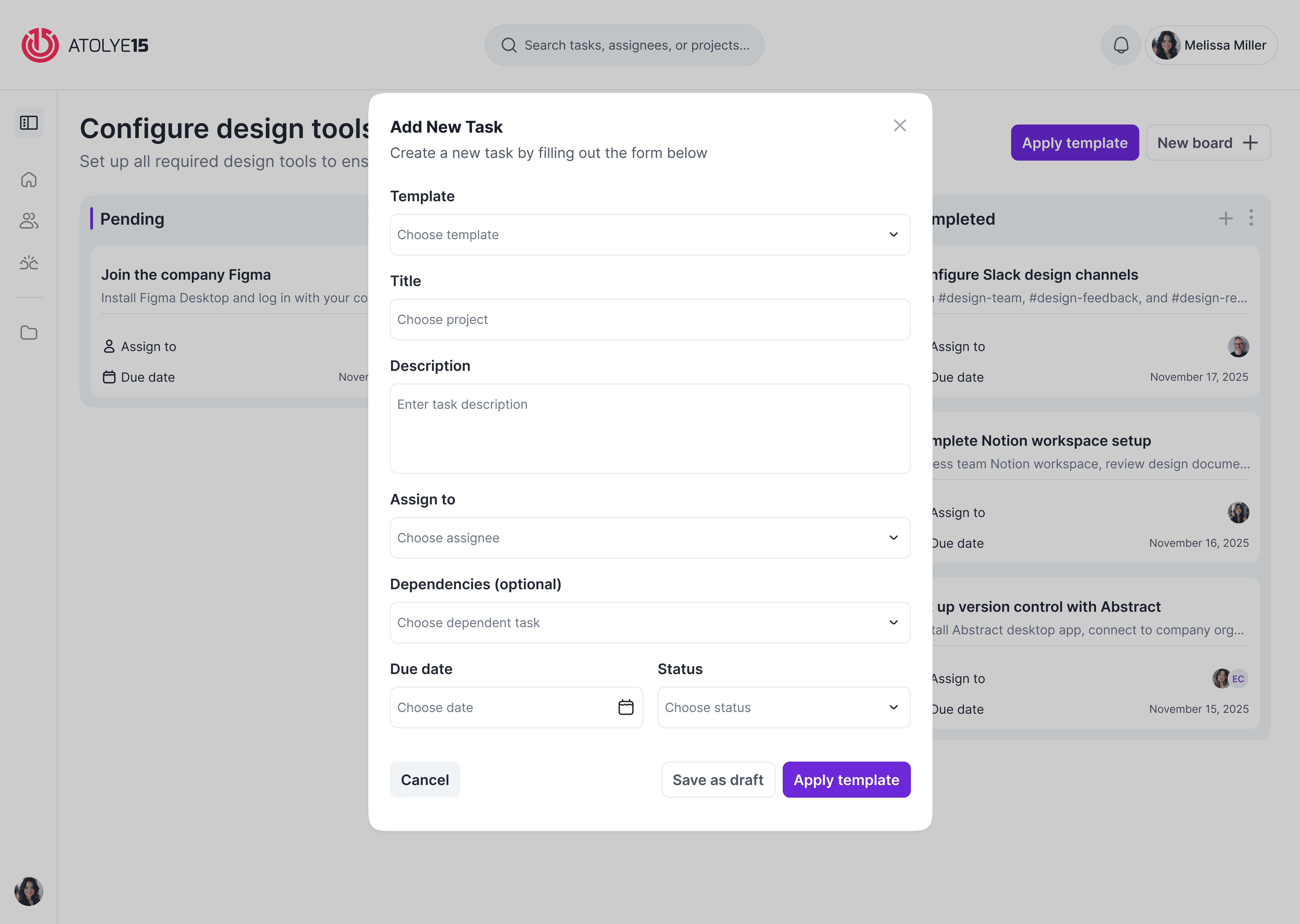
Design intuitive task creation and management flows
Deliver a scalable design system ready for development
Action
Requirements & Discovery
I collaborated closely with internal teams to understand daily workflows, operational challenges, and technical constraints. These conversations helped uncover where friction occurred in task creation, tracking, and ownership, and shaped the foundation of the product’s structure.
Research & Feature Definition
I analyzed established task-management and productivity tools to identify best-practice patterns and interaction models. Insights from this research informed the definition of core features, ensuring the platform focused on clarity, efficiency, and ease of use rather than unnecessary complexity.
Information Architecture & Flow Design
Based on internal insights and research findings, I designed user flows for task creation, tracking, and management. I translated these flows into low-fidelity wireframes to validate structure, simplify interactions, and ensure each step supported real internal needs. This phase helped align stakeholders early and reduced iteration later in the process.
UI Design & Design System
Once the structure was validated, I defined the visual direction and built a scalable design system covering typography, color, components, states, and interaction patterns. The system ensured consistency across the dashboard and enabled efficient handoff to development. Visual decisions prioritized clarity, scanability, and long-term usability for a tool used daily.
Collaboration & Delivery
I worked closely with developers throughout implementation, clarifying interactions, refining components, and reviewing edge cases to ensure design quality was preserved. My involvement spanned from early research to final delivery, ensuring the product remained cohesive and aligned with internal goals.
Why
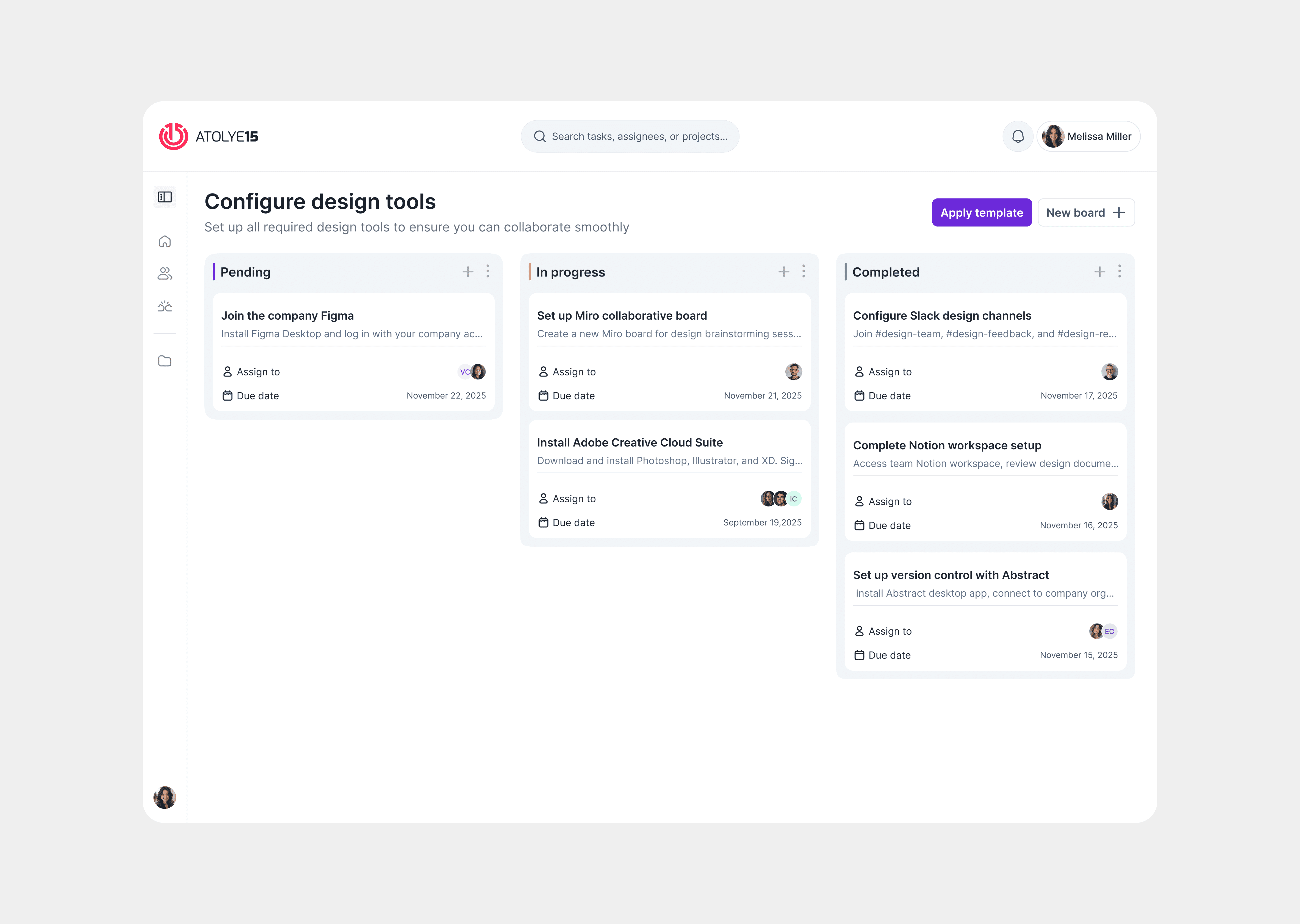
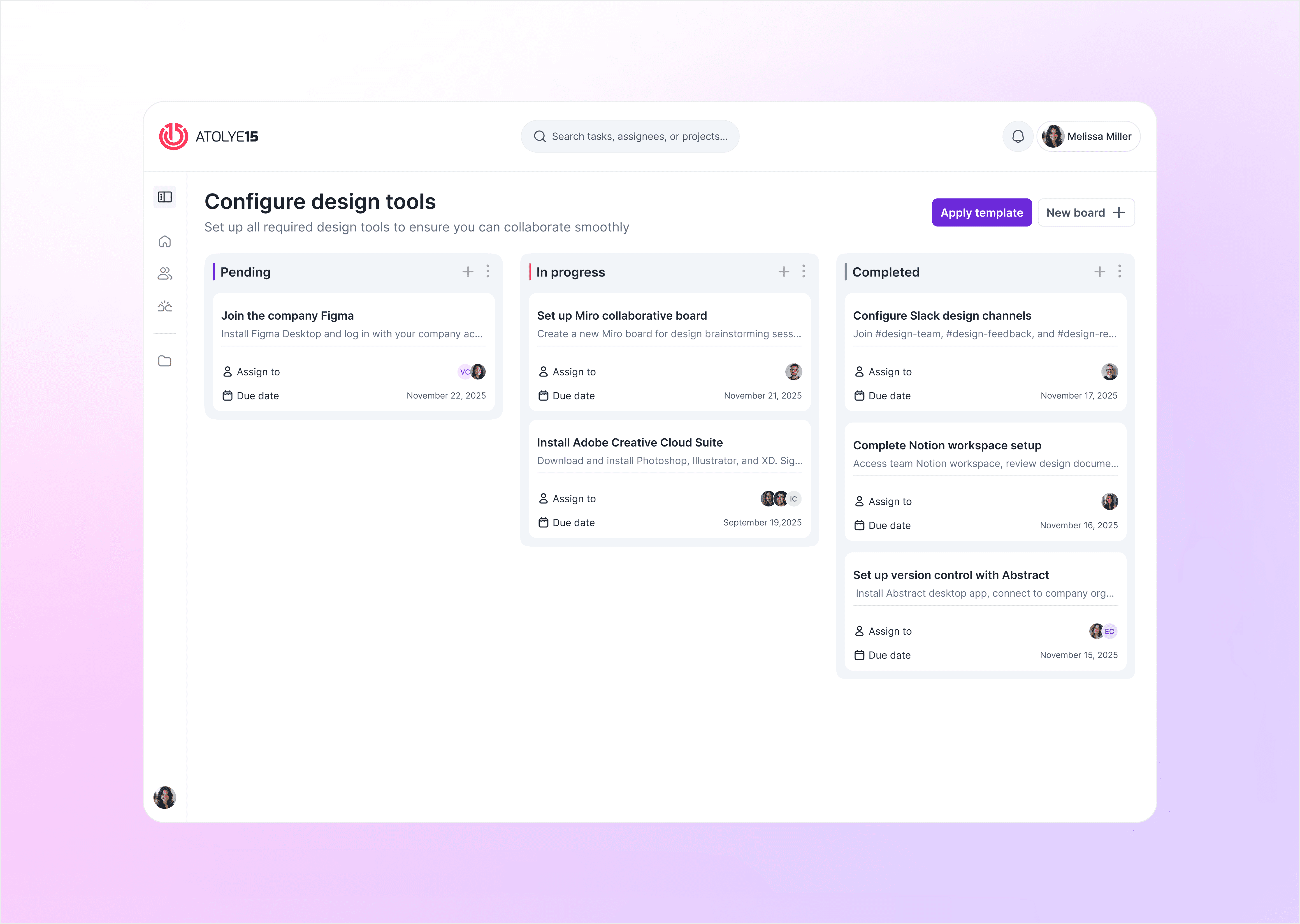
I intentionally structured the layout around task hierarchy and visual grouping, allowing users to quickly distinguish between urgent tasks, ongoing work, and completed items. This approach reduces cognitive load and helps users maintain focus, especially in environments where multiple tasks and deadlines compete for attention.
Result
The project delivered a clear, efficient task-management dashboard supported by:
A well-structured information architecture
Simplified and intuitive task workflows
A scalable design system that improved consistency and development speed
A clean, functional UI optimized for everyday internal use
What I Learned
Designing an internal product reinforced the importance of deeply understanding real workflows rather than relying on assumptions. By grounding decisions in daily operational needs, I learned how small improvements in structure and clarity can have a significant impact on efficiency and adoption.
The project also strengthened my ability to balance usability with technical and operational constraints. Collaborating closely with internal stakeholders and developers sharpened my approach to problem framing, prioritization, and designing systems that scale beyond a single use case.